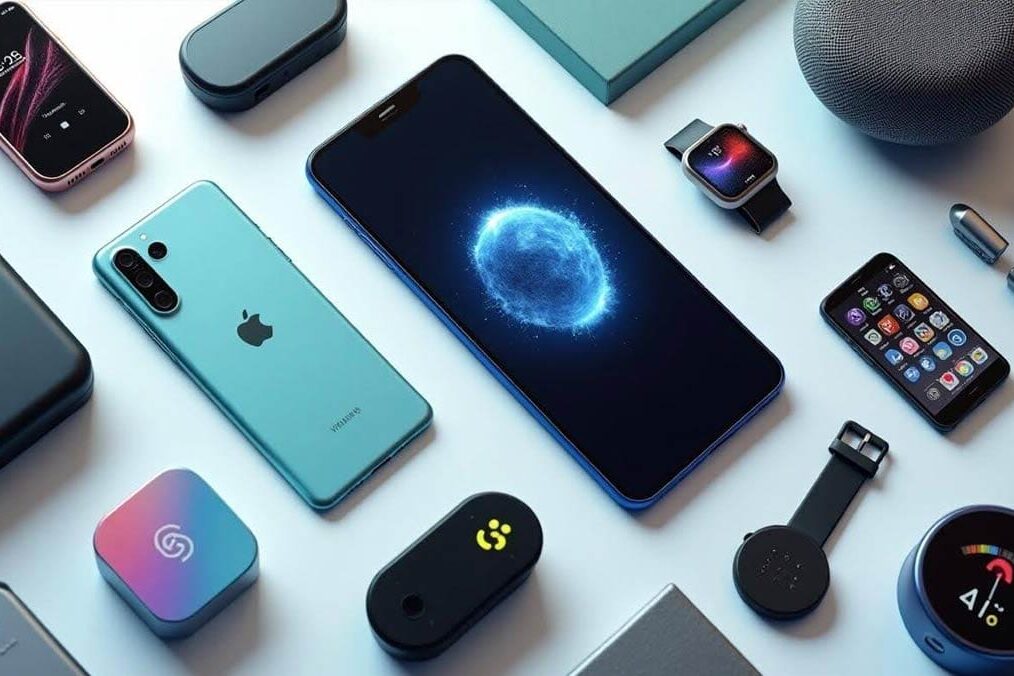
When most people think about artificial intelligence (AI) they may associate it with chatbots like ChatGPT and its rivals, or with elaborate computer models running in remote data centres. People tend not to think about AI being used in consumer devices that they encounter every day: thermostats, TV streaming services, fridges and telephones, yet AI is increasingly creeping into such devices. Amazon’s Alexa device, launched in 2014, is used in homes for playing music, accessing the weather forecast, and setting timers or controlling connected devices like smart lights and thermostats. As of early 2025, over 600 million Alexa devices have been sold. This figure does not even count rivals like Google Nest and Apple HomePod. On smartphones, assistants like Apple’s Siri can understand human voices and answer questions. Siri can help you manage your calendar, call a contact or send a text message that you dictate to it. Since it comes as standard on iPhone, iPads, AirPods, Apple TV and Apple Watch, it is available on perhaps 2 billion devices.
The use of AI goes well beyond things like Alexa and Siri. If you use a TV streaming service like Netflix then you will have seen machine learning in action. The company uses AI to look at consumer’s viewing habits, search history and interaction patterns, producing highly customised recommendations and marketing campaigns that target very specific consumer segments. Once you finish watching a film or TV series, Netflix will recommend something else for you to watch, and this recommendation is driven by an analysis of your preferences and what you have previously watched. Amazon uses similar technology to suggest purchases to you based on your buying history.
Your smartphone uses AI to recognise your face and unlock your phone, and uses AI to enhance the photographs you take with its camera. Predictive text uses generative AI to help you write emails and even allows real-time translation from other languages. If you are travelling, then you can use specialist apps to translate something that you want to say, like “where is the nearest coffee shop?” into a wide range of languages, and even pronounce the translated word out loud correctly in the language of your choice. Applications like Talo can translate in real time across sixty languages, integrated with conferencing software like Zoom and Teams. This software can, for example, allow you to make a presentation to a multinational audience and have it translated into multiple languages as you speak.
Even less esoteric devices can still make use of AI. Smart thermostats use machine learning to recognise your habits and schedule, and optimise heating and cooling for energy efficiency. These devices can do things like heat your home when you are on holiday to minimise the risk of burst pipes in cold weather, or pre-heat your home so that it is warm when you come back from work. Some high-end fridges even have internal cameras to identify food items for your meal planning and shopping lists, noting when items are added or removed. These devices can even suggest recipes for you based on what is in your fridge. Wearable devices like smartwatches or biosensor patches can monitor your heart rate, blood pressure and glucose levels, and even provide data remotely to your doctor if you set them up that way. Such devices are not without areas of concern, such as the reliability of their data or potentially issuing unnecessary warnings or alerts, which may cause patients concern. There is also the inevitable concern about the privacy of data that comes with the capture of such health data. Such data might be used by health insurance companies in the USA to discriminate against individuals. In 2021, there was a data leak of details of 61 million Fitbit and Apple users by a third-party software company, involving unencrypted personal data such as names, date of birth, height and weight.
Despite such issues, the spread of AI into more and more consumer devices seems inevitable. AI is gradually being embedded into the fabric of the day-to-day devices that we all take for granted, from smartphones to thermostats. We should take the time to understand it a little better, so that we can make the most of the opportunities and understand its limitations.