Stay ahead with our in-depth blog series on the newest frontiers in artificial intelligence. Explore emerging topics such as AI security, agentic AI systems, and the quest for explainable AI. Learn how innovators tackle ethical risks, design autonomous agents, and enhance model transparency and accountability. Get actionable insights into regulatory trends, technical breakthroughs, and real-world examples that shape tomorrow’s intelligent systems.
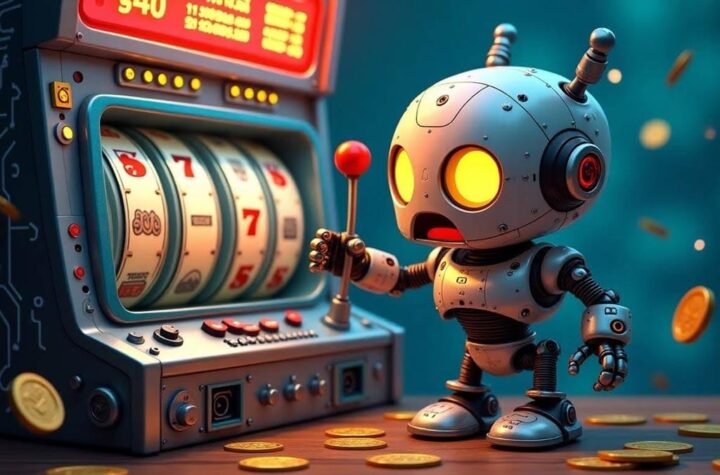
Addiction to gambling is common: over 2% of UK adults being problem gamblers. Gamblers frequently bet irrationally in several ways. In the “illusion of control”, people wrongly believe they can influence the outcome of a random or chance-based event, such as a slot machine or dice roll. The “gambler’s fallacy” is the irrational belief that…
I saw a disturbing image today. Not something from a war zone or a horror film, but a post on Linkedin: Microsoft have, in their wisdom, introduced a large language model (LLM)-driven AI helper to Excel called Copilot. After entering “=copilot( )”, you can type in any text you like within the brackets, and Excel…
Large language models (LLMs), the engines at the heart of generative AI chatbots like ChatGPT, Claude, Gemini and Grok are susceptible to various kinds of attack by hackers. For example, prompt injection is where an attacker fills a prompt with malicious input to either leak data or bypass controls. There are actually many other types…
Because of the buzz around generative artificial intelligence (AI) chatbots like ChatGPT and Claude, it is easy to forget that large language models (LLMs) which power generative AI, are just a subset of AI. There are actually many forms of AI around, from old-fashioned expert systems to machine learning, to reinforcement learning systems to newer…
Artificial intelligence (AI) chatbots based on large language models (LLMs) have been with us on a large scale for almost three years now, ever since the launch of ChatGPT in November 2022. Their impact on the world is undeniable, with around two-thirds of companies using them to a greater or lesser degree by mid-2025. There…
A subtle way that artificial intelligence (AI) is inserting itself into everyday life is in the effect it is having on web browsing, social media and streaming content like movies. Tim Berners Lee invented the World Wide Web at CERN in 1989, and websites for the general public emerged around 1993. The issue was how…
Chat GPT 5, released in August 2025, has produced a range of entertaining hallucinations that went viral, including an image of US presidents, including “Richard Ninun” (instead of Nixon), seemingly born in 1969 but died in 1974, just five years later (Nixon was actually born in 1913 and died in 1994). The very same image…
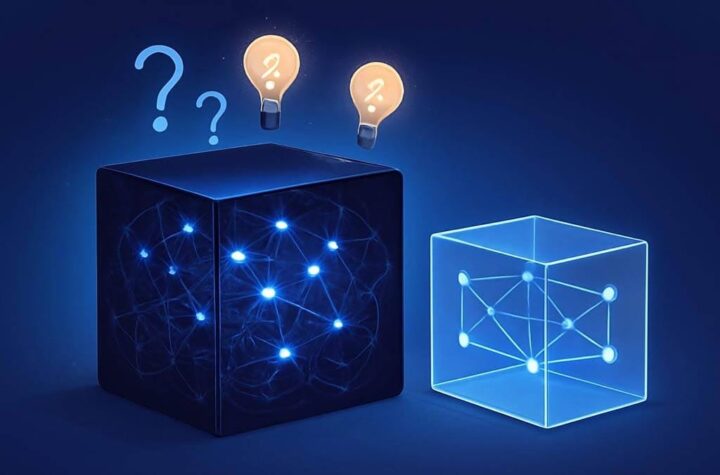
The English poet William Cowper wrote that “God moves in a mysterious way, his wonders to perform” in his 1773 poem “Light Shining out of Darkness”. The same could be said of large language models (LLMs), the technology underpinning generative AI. LLMs are capable of extremely fluent conversation and answer questions with authority and confidence,…
When it comes to transparency in artificial intelligence (AI) there are different aspects to consider. One is understanding the reasoning process behind AI decisions and what data they use in that decision-making. Given that artificial neural networks are black boxes, that is a topic in itself, and will be the subject of another blog. This…
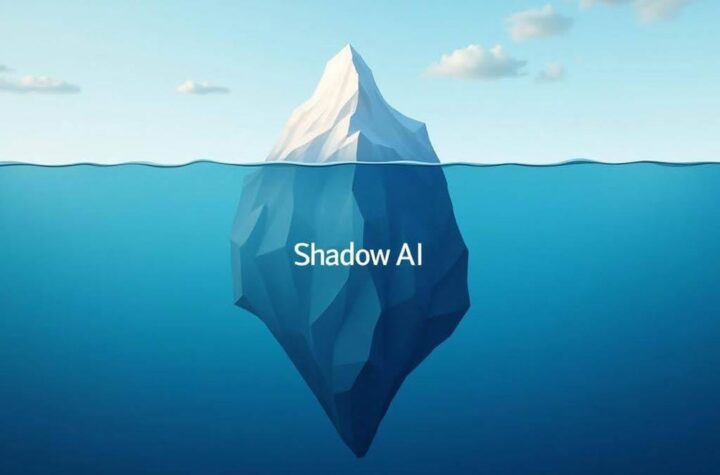
As generative artificial intelligence (AI) flooded into the public consciousness in late 2022, corporations wrestled with how best to utilise and control it at work. Initial hopes of productivity improvements were tempered by the realisation that the public chatbots like ChatGPT and Claude were executing prompts on their servers. This content, which at work could…